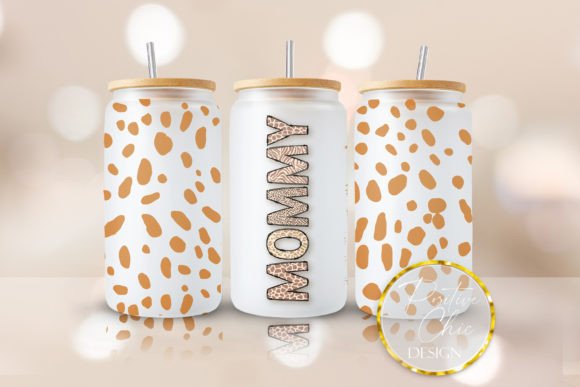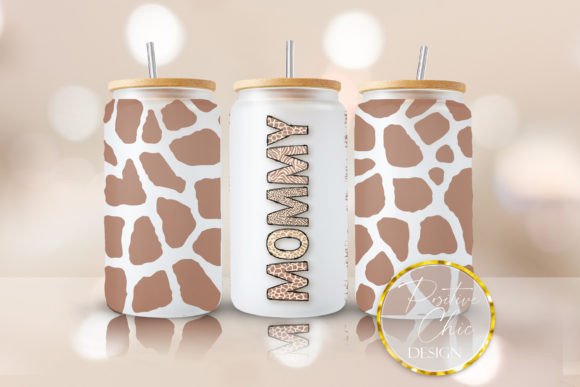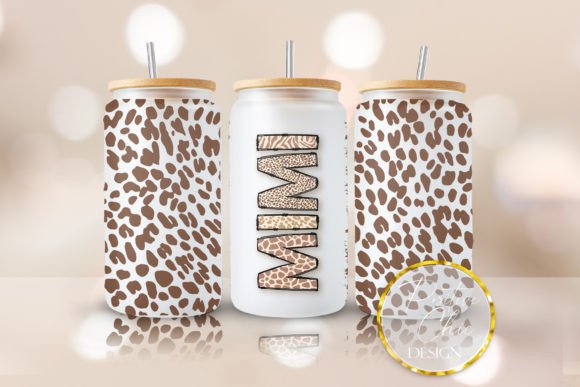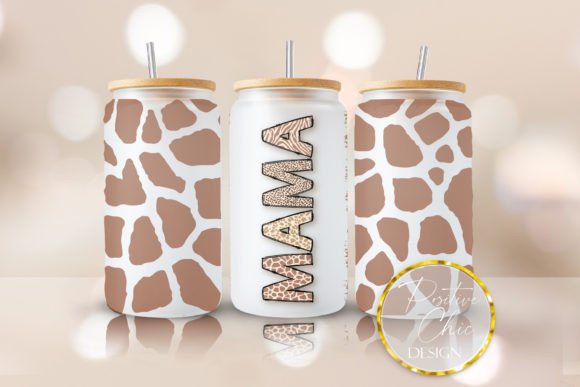
Mama Libbey Glass Can Wrap Animal Print
As an experienced embroidery designer and product reviewer, I approach every new design with a mix of curiosity and practicality. When I first looked at the Mama Libbey Glass Can Wrap Animal Print, I was struck by its bold pattern and confident layout. The animal print theme brings a playful yet sophisticated energy, and the typography feels warm and personal. It immediately made me think of custom tote bags, boutique sweatshirts, and personalized gifts for moms who appreciate a bit of wild style.
The design is originally crafted as a sublimation wrap for a 16 oz Libbey glass tumbler, but as an embroidery professional, I see potential beyond its intended use. The silhouette, the spacing, and the overall composition offer a strong foundation for adaptation into machine embroidery. Whether you digitize it yourself or work with a digitizer, the core elements—clean lettering, balanced animal print texture, and a cohesive frame—translate well into stitch work.
First Impressions of the Animal Print Layout
The first thing I noticed was the confident use of negative space. The "Mama" lettering sits prominently, and the animal print background adds texture without overwhelming the text. This is important for embroidery because dense backgrounds can cause distortion or puckering, especially on softer fabrics. Here, the pattern feels deliberate and balanced, which suggests it will hold up well when translated into fill stitches or satin stitches.
The overall mood is spirited and a little daring. It is the kind of design that appeals to mothers who want to celebrate their role without being overly sentimental. It feels modern, a bit edgy, and very giftable. For an Etsy seller or small shop owner, this is the type of design that could easily become a bestseller in a mom gift collection.
Adapting the Design for Real Embroidery Projects
Since the original file is a PNG sublimation design, it is not a direct machine embroidery file. That means you will need to have it digitized or use it as a reference for creating your own embroidery version. In my experience, designs with clear, bold typography and moderate detail levels are the easiest to convert into embroidery without losing quality.
I recently tested a similar adaptation for a custom tote bag project. The client wanted a "Mama" themed bag with animal print accents. I used the design as a visual guide, adjusting the lettering height and spacing to fit a standard hoop size. The result was a clean, readable design that stitched out smoothly on medium-weight cotton canvas. The animal print areas required careful attention to stitch density to avoid a stiff feel, but with a medium-weight cutaway stabilizer, the final product had excellent drape and clarity.
For a sweatshirt embroidery project, I would recommend using a lighter fill stitch density and a soft thread finish to keep the garment comfortable. The design's natural vibe works well with brushed fleece or French terry fabrics.
Best Embroidery Applications for This Design
Let me break down where this design performs best in real-world embroidery work.
Custom apparel is an obvious choice. T-shirts, sweatshirts, and hoodies with this design appeal to mothers who want something unique. The animal print adds a trend-forward element that stands out in a crowd of standard script-based mom designs. For a boutique brand, this could be a signature piece.
Tote bag designs are another strong application. The design's compact layout fits nicely on a standard tote bag front. I have found that designs with a clear focal point and balanced background elements work especially well on structured bags. The animal print becomes a conversation starter, and the "Mama" text anchors the piece.
Embroidered patches are a smart way to offer this design as a versatile product. A patch version can be applied to jackets, backpacks, hats, or denim vests. The design's bold lines make it suitable for patch production, especially if you use a dense satin stitch border and a clean edge finish.
Baby embroidery is also worth considering. While the animal print might seem edgy for a baby item, many modern parents appreciate designs that break from traditional pastels. A onesie or bib with a small-scale version of this design could be a hit at craft fairs or on Etsy.
Holiday gifts and personalized gifts are a natural fit. This design feels like a gift for a mom who has a strong sense of style. It works well for Mother's Day, birthdays, or just because. Adding a name or initial could make it even more personal.
For commercial embroidery and small business merchandise, this design offers good scalability. It can be reproduced across multiple products—tumblers, apparel, bags, hats—creating a cohesive brand look. A seller could offer a complete "Mama" collection with matching items.
Where to Exercise Caution with This Design
No design is perfect for every surface, and this one has a few considerations.
Small hoop sizes can be problematic. If the design includes fine animal print details, reducing it too much may cause the pattern to lose definition or become a blur of stitches. I recommend testing the digitized version at the intended size before committing to a production run.
Textured fabrics, such as knits with surface interest or heavy fleece, may obscure the finer details of the animal print. A smooth fabric like cotton poplin, linen, or performance knit will show the design more clearly.
Thin or stretchy fabrics require extra care. The animal print areas may have moderate stitch density, which can cause distortion on lightweight knits. A good quality stabilizer—preferably a medium-weight cutaway—is essential.
Dark fabrics can hide the contrast of the animal print if the thread colors are not chosen carefully. I recommend testing the design on a dark fabric swatch to ensure the pattern remains visible and the "Mama" text stands out.
Curved surfaces like caps can be tricky. The design's layout may need to be adjusted to fit the curve of a cap front. Work with your digitizer to ensure the lettering and pattern align properly on a curved surface.
Dense stitch areas and decorative accents should be reviewed for stitch count. If the design becomes too dense, it may cause the fabric to pucker or the thread to break. Always check the stitch density in your software before stitching.
Products that need frequent washing, like kitchen towels or baby items, should use high-quality thread and a robust stabilizer to ensure the design holds up over time.
How the Design Elevates Finished Products
When executed well, this design elevates the handmade product. It communicates a sense of style and confidence that resonates with customers who want more than a generic gift. The animal print adds a layer of visual interest that makes the product feel curated, not mass-produced.
For an Etsy seller, this translates to higher perceived value and stronger customer trust. A well-stitched design with a trendy theme encourages positive reviews and repeat purchases. It also helps with brand consistency—if you offer multiple products with the same design, customers recognize your shop as a cohesive brand.
The giftability of the design is high. It is the kind of item a buyer purchases for a friend or family member and feels good about giving. The design's personality makes it memorable, which is a key factor in buyer engagement.
From a professional standpoint, the design's clarity and balance contribute to a polished final product. When a customer receives a beautifully embroidered item with clean stitching and vibrant contrast, they are more likely to trust the seller for future purchases.
Practical Notes Before You Stitch
Before you load your machine, here are a few steps I always take with a design like this.
- Test the design on scrap fabric first. Use the same fabric type you plan to use for the final product. This gives you a chance to see how the animal print stitches out and whether the "Mama" text remains crisp.
- Check thread color contrast. The animal print pattern works best when the thread colors have enough contrast against the fabric. For light fabrics, use darker thread tones. For dark fabrics, consider lighter or metallic threads.
- Review stitch density. If the design feels too dense in the digitized version, ask your digitizer to reduce the density in the fill areas. A design that is too dense may cause fabric puckering or thread breakage.
- Confirm hoop size. Make sure the design fits within your hoop size without being cramped. Leave enough margin for proper hooping and stabilization.
- Inspect small details. Look at the lettering and any fine pattern elements. If they are too small, they may not stitch clearly. Adjust the size if needed.
- Test the design in black and white mockups. This helps you evaluate the contrast and readability without the distraction of color.
- Compare light and dark fabric backgrounds. The same design can look very different on a white tee versus a black one. Test both to see which version you prefer.
- Use proper stabilizer. For most applications, a medium-weight cutaway stabilizer provides good support. For stretchy fabrics, consider a stabilizer with more grip.
- Check licensing for commercial use. Since the design is a digital download, confirm whether you can use it for finished products sold in your shop. Some designs have restrictions, so read the terms carefully.
- If you plan to sell the digital embroidery file itself, you may need additional licensing. Always verify before listing.
Final Thoughts on the Mama Libbey Glass Can Wrap Animal Print
This design has a strong visual identity and adapts well to embroidery with some thoughtful preparation. It appeals to a specific audience—moms who love style and individuality—and that makes it a valuable addition to a craft business or handmade shop.
Whether you are creating custom apparel, embroidered patches, tote bags, or personalized gifts, the Mama Libbey Glass Can Wrap Animal Print offers a versatile foundation. With careful digitizing, proper stabilizer choice, and a few test stitches, it can become a reliable piece in your product lineup.
For Etsy sellers and small business owners, this is the kind of design that builds a brand. It has personality, it has clarity, and it has the potential to connect with customers looking for something a little different. I recommend giving it a try on your next embroidery project.