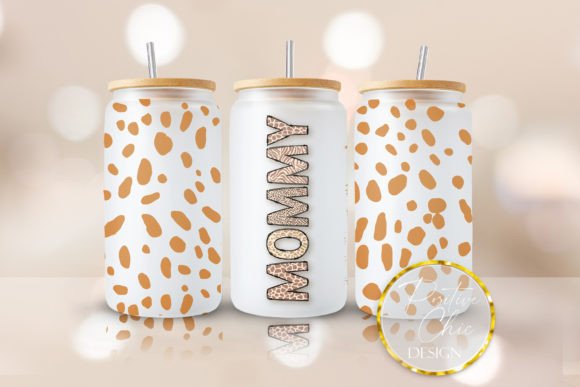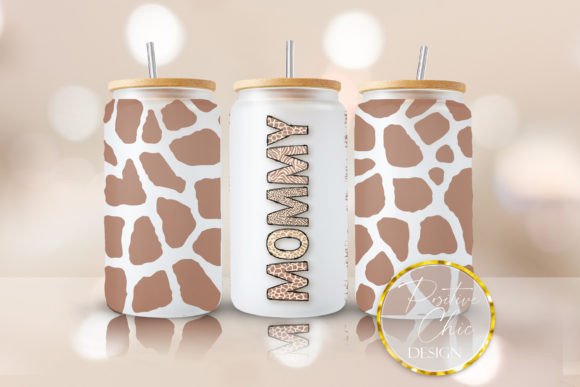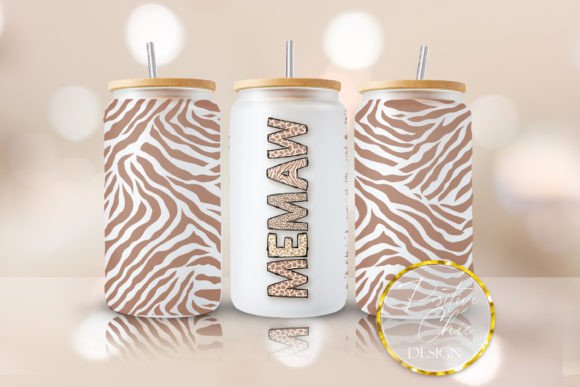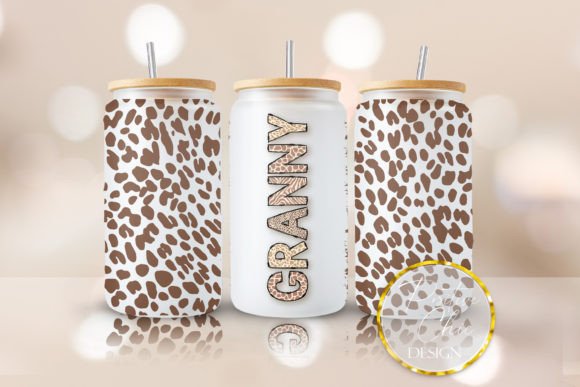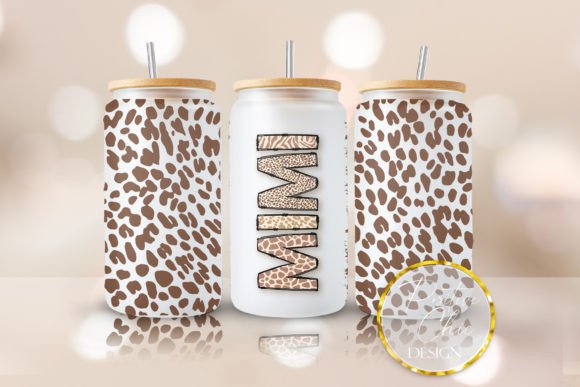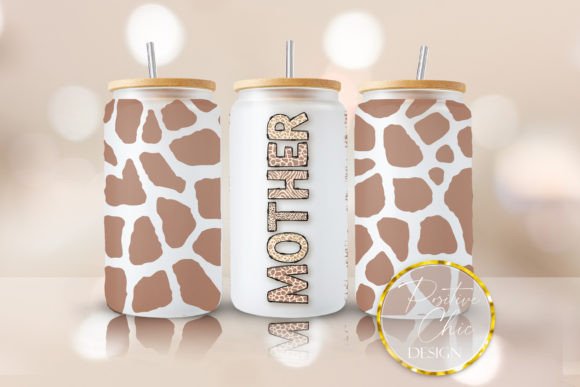
Mother Libbey Glass Wrap Animal Print Graphics for Crafts
When I first opened the Mother Libbey Glass Wrap Animal Print design, I was preparing a new tumbler collection for my Etsy shop and wanted something that could bridge the gap between bold statement and everyday wearability. This graphic design asset presents a leopard-inspired animal print with a slightly softened palette, making it feel less aggressive than traditional safari motifs and more suited to modern boho or casual contemporary branding. The pattern carries a confident, feminine energy without tipping into overly girly territory, which immediately suggested it could work for a range of audiences—from young professionals buying custom tumblers to moms looking for matching cup sets for brunch outings.
As a digital product creator who has tested hundreds of sublimation designs over the years, I look for assets that offer flexibility across multiple product categories. Mother Libbey Glass Wrap Animal Print is a PNG-based sublimation design built specifically for 16 oz Libbey glass cup tumblers, but its potential extends far beyond glassware. The pattern is dense enough to read well on larger surfaces, yet the spacing and scale of the print allow it to shrink down without losing its visual identity. That balance is rare in animal print designs, and it makes this asset worth considering for sellers who want to build a cohesive product line around a single theme.
First Impressions and Visual Personality
The design leans into a warm neutral brown and cream color story with subtle depth in the spotting. It does not feel like a flat, mass-produced pattern. There is a handmade quality to the way the spots are distributed, which gives the print a slight organic texture. That matters for crafters and small business owners who want their products to feel curated rather than generic. The mood is confident, slightly adventurous, but still approachable. It is not the kind of animal print that screams for attention—it invites it. That makes it a strong candidate for decorative products, lifestyle accessories, and soft goods where the print can carry the visual weight without needing additional embellishment.
I also noticed that the design does not rely heavily on trendy colors that might date the product quickly. The brown and cream base is classic, and the warm undertones pair well with gold, brass, and natural wood accents. Sellers who brand their shops around neutral palettes or nature-inspired aesthetics will find this asset easier to integrate into their existing collections than a neon or pastel animal print. For Canva template sellers and social media content creators, this design could serve as a background element for quote graphics, product teasers, or seasonal promotional images without clashing with other brand colors.
Testing the Design for Real Product Scenarios
Before I commit any graphic design asset to a live listing, I run it through a series of practical tests. I start with product mockups because that is where the design meets the customer. I uploaded Mother Libbey Glass Wrap Animal Print into a 16 oz Libbey tumbler mockup first, since that is the intended use case. The wrap aligned well with the cup dimensions, and the pattern repeated naturally without awkward seams or obvious tile lines. That is a critical detail for sublimation wraps—if the repeat is too tight or poorly spaced, the final product looks cheap. This design handled the curve of the glass nicely, and the transparency of the PNG allowed me to layer it over the tumbler template without extra cleanup.
Next, I tested the design on a white background and a dark background. On white, the pattern stays crisp and the warm tones pop. On dark backgrounds, the lighter cream spots hold their visibility, but the overall contrast softens. That means sellers should be intentional about which background color they use in their product thumbnails and listing images. If you are selling a tumbler wrap on a dark mockup, consider adding a thin white border or offset to keep the pattern from melting into the background. This is a small detail that separates professional-looking listings from amateur ones, and it is worth testing before you publish.
Print Color and Resolution Check
I printed a sample of the design on my sublimation paper to verify how the colors translate during transfer. The brown deepened slightly under heat, which is typical for sublimation, but the cream stayed clean and did not yellow. The resolution held up well at the recommended print size, and I did not detect any pixelation or blurring in the spot edges. For sellers who are new to sublimation, I recommend running a test print on a scrap tumbler or a test sheet before committing to a batch of products. This design is forgiving, but no PNG is immune to printer calibration issues. If you are selling the design as a digital download, include a brief note in your product description about recommended print settings and paper types. That kind of transparency builds trust with buyers and reduces support messages.
Where Mother Libbey Glass Wrap Animal Print Excels in Your Shop
This design is not limited to cup wraps. I tested it across several product categories to see where it performed best, and the results were encouraging for sellers who want to maximize a single asset.
- Tumbler wraps and glassware: The native fit for 16 oz Libbey glasses is excellent, but the design also scales nicely for 20 oz and 30 oz tumblers with minor adjustments. If you are a print-on-demand seller, this makes a strong core product for a wildlife or boho cup collection.
- Mug designs: The pattern wraps around a standard 11 oz or 15 oz mug without losing its presence. Because the print is not overly busy, it reads well on the curved surface of a ceramic mug.
- Tote bags and fabric accessories: I tested the design on a cotton tote mockup, and the scale worked well for a center-front print. The organic feel of the animal print complements natural fiber fabrics.
- Phone cases and tech accessories: The pattern is dense enough to cover a phone case without looking sparse, but it is not so tight that it overwhelms a small surface. This is a good option for sellers who offer coordinating accessory sets.
- Printable wall art and nursery prints: The warm neutral palette makes this design suitable for framed prints, especially in a gallery wall with other botanical or nature-inspired pieces. For nursery use, the animal print feels playful without being too loud.
- Scrapbooking kits and digital paper packs: The seamless repeat quality means this design can be used as a digital paper for planners, card making, or junk journaling. Sellers who bundle paper packs will find this a versatile addition.
Where to Use This Design with Caution
No graphic design asset is perfect for every application, and Mother Libbey Glass Wrap Animal Print has a few limitations that sellers should consider before adding it to their product lineup.
- Tiny sticker details: The spots in the pattern are medium-sized, so if you try to create very small stickers or decals, the individual spots may become too small to read. For Cricut or Silhouette projects that require precise cutting lines, the organic shape of the spots means you will need to carefully plan your cut path to avoid clipping the pattern awkwardly.
- Overly complex layouts: If you layer this design with text-heavy templates or multiple graphic elements, the visual hierarchy can become cluttered. The strength of this print is its simplicity. Let it breathe. Pairing it with a clean sans serif or a delicate script font works best, but avoid stacking it with other bold patterns.
- Low-resolution print products: The PNG is provided at a resolution suitable for standard sublimation and print projects, but if you are using it for large-format prints like posters or banners, check the pixel dimensions first. Upscaling beyond the intended size may introduce softness.
- Dark backgrounds for thumbnails: As mentioned earlier, the cream spots lose contrast on very dark backgrounds. If you are creating Etsy product thumbnails or social media graphics, test the design on a mid-tone or light background to ensure the pattern remains the hero of the image.
Practical Seller Notes for Publishing and Packaging
When I prepare a digital product for sale, I pay close attention to the customer experience from download to final use. For Mother Libbey Glass Wrap Animal Print, I recommend the following steps before you hit publish.
Organize your files clearly. Include the PNG at 300 DPI with a transparent background, and consider adding a JPEG version for customers who may need a preview file. If you are offering the design as part of a bundle, create a folder structure that separates the design files from any mockups, tutorials, or license documents. Buyers appreciate not having to dig through a dozen files to find the one they need.
Test the design on a real product mockup before you create your listing images. A well-executed mockup communicates professionalism and helps customers visualize the final product. That is especially important for print-on-demand sellers who may not have physical samples to photograph. Use a mockup that shows the design from multiple angles, and include a lifestyle shot that places the product in a relatable context—a tumbler on a desk, a mug in a kitchen, a tote bag on a market stall.
Check your commercial licensing terms. Most digital design assets for crafters and small business owners come with a commercial license that allows you to sell finished products, but the specifics vary. Some licenses restrict the number of sales, others require you to modify the design, and a few prohibit use on certain platforms. Read the license carefully and include a link to it in your product description so customers know exactly what they are allowed to do. This is a trust signal that separates serious sellers from casual ones.
Consider font pairings if you are using the design for templates, invitations, or branding projects. A handwritten font adds a friendly, approachable feel, while a serif or display font gives the design a more upscale look. For Canva templates, I recommend including a guide that suggests font pairings and color palettes that complement the animal print. That added value can justify a higher price point in a competitive marketplace.
How This Asset Supports a Professional Online Shop
Building a cohesive product collection requires more than just uploading individual designs. Customers are drawn to shops that feel curated, where the products share a visual language and a consistent level of quality. Mother Libbey Glass Wrap Animal Print can serve as a foundation piece for a collection. Whether you are creating tumbler wraps, mug designs, tote bags, or digital paper packs, the unified pattern gives your shop a recognizable aesthetic. That recognition builds brand identity and encourages repeat purchases.
For sellers on Etsy, Creative Fabrica, or Shopify, the design also performs well in listing images. The pattern is visually engaging without being overwhelming, which helps thumbnails stand out in search results without looking cluttered. I have found that designs with a clear focal point and a balanced composition tend to have higher click-through rates, and this asset fits that profile. When you pair it with a well-lit mockup and a clean background, the product looks ready to buy.
From a customer trust perspective, offering a design that works across multiple product types signals that you understand your market. It shows that you have tested the asset and considered how it will perform in real use. That level of care is not lost on buyers, especially those who are themselves small business owners looking for reliable design assets to grow their own shops.
Final Thoughts Before You List
Mother Libbey Glass Wrap Animal Print is a solid graphic design asset for sellers who work with sublimation, printable products, and commercial creative projects. It is not a flashy, trend-chasing design, and that is exactly what makes it valuable. It offers longevity, versatility, and a visual personality that fits a wide range of product categories. The key to getting the most out of it is testing it thoroughly before you publish, being intentional about how you present it in your listings, and using it to build a collection rather than a standalone product.
If you are preparing a new line of tumblers, lifestyle accessories, or digital downloads, this design deserves a spot in your workflow. Run it through your own mockups, check the print quality on your equipment, and decide how it fits into your brand story. When you do, you will have a product that feels polished, professional, and ready for the marketplace.